Traffic Offenses
Defense for serious traffic charges and other driving-related offenses.
Learn More

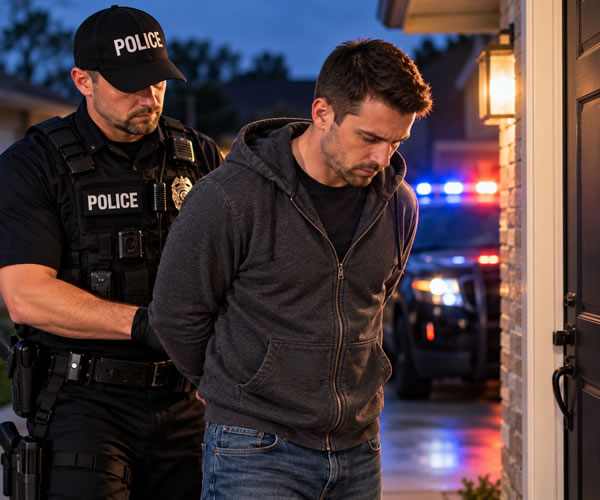
Theft and property crime allegations can range from relatively minor accusations to serious felony charges. A case may involve allegations of taking property, possessing stolen property, shoplifting, entering a building unlawfully or entering a home with the intent to commit another crime.
Attorney Laura M. Baker and Madison Crabtree represent individuals facing theft, larceny, burglary, breaking and entering and related criminal charges in Concord and throughout Cabarrus County.
Every case depends on its individual facts. The defense may need to examine what property was allegedly taken, its value, who owned or possessed it, what the accused person intended and what evidence actually connects that person to the alleged offense.
People commonly use terms such as theft, burglary and breaking and entering interchangeably, but North Carolina law recognizes different criminal offenses with different elements.
Larceny generally concerns the unlawful taking of property belonging to another. Under current North Carolina law, larceny of property valued at more than $1,000 is generally a Class H felony, while larceny involving property worth $1,000 or less is generally a Class 1 misdemeanor. There are important exceptions where larceny can be a felony regardless of value.
Burglary and breaking or entering focus on unlawful entry and the circumstances and intent surrounding that entry. Because the precise offense can make a significant difference, the actual charge and evidence should be carefully reviewed rather than treating every property crime allegation the same way.
Intent can be an important issue in both theft and burglary-related cases. For example, North Carolina's felony breaking-or-entering statute addresses breaking or entering a building with the intent to commit a felony or larceny inside.
The circumstances surrounding who owned or had a right to possess property can matter in a theft case. Disputes over property do not automatically establish that a criminal larceny occurred.
Surveillance footage, photographs, eyewitness accounts, fingerprints, electronic records, text messages and other evidence may be used to connect someone to an alleged offense. The reliability and context of that evidence should be examined.
In burglary and breaking-or-entering cases, where the alleged entry occurred, whether the person had permission to enter, what type of structure was involved and what the person allegedly intended to do inside can all become significant issues.

The value and type of property involved can affect how a larceny allegation is charged in North Carolina.
Under the general larceny statute, property worth more than $1,000 can result in a Class H felony charge. Property worth $1,000 or less is ordinarily treated as a Class 1 misdemeanor, but North Carolina law contains several exceptions that make certain larceny offenses felonies regardless of value.
The statute also addresses receiving or possessing stolen goods while knowing or having reasonable grounds to believe the property was stolen.
Determining the correct charge can therefore require more than simply looking at the dollar amount alleged by law enforcement.
North Carolina law distinguishes burglary from the broader offense of breaking or entering. Under the current breaking-or-entering statute, breaking or entering a building with the intent to commit a felony or larceny inside is a Class H felony.
Wrongfully breaking or entering a building without that specified criminal intent is addressed separately as a Class 1 misdemeanor. The statute defines “building” broadly to include dwellings and various other structures designed to house or secure activity or property.
Burglary has separate statutory requirements involving a dwelling or sleeping apartment. Because recent North Carolina legislation revised the burglary statutes, the exact offense date and applicable version of the law can also matter when evaluating a particular case.

The fact that property was stolen or a building was entered does not, by itself, establish who committed the offense.
Police investigations may rely on surveillance video, eyewitness identification, fingerprints, vehicle information, cellphone records, social media, electronic communications or property allegedly discovered during a search.
The defense should examine how that evidence was obtained and what it actually establishes. Identification evidence can be challenged, witnesses may provide conflicting accounts, and physical or digital evidence may require additional context.
A careful review of the investigation can help identify weaknesses, inconsistencies and unanswered questions in the State's case.

Theft and burglary cases can involve very different circumstances. One case may center on the value and ownership of property, while another may depend heavily on identification, permission to enter a building or what someone allegedly intended when entering.
Attorney Laura M. Baker works directly with clients to understand those circumstances and examine the evidence behind the accusation.
Whether you are facing a misdemeanor theft allegation or a serious felony property crime charge, your defense should be based on the actual facts and evidence involved in your case.
“Larceny†is the term used in North Carolina's primary statute addressing the unlawful taking of property. Theft is commonly used as a broader everyday term for this type of offense.
Under the general rule, larceny of property worth more than $1,000 is a Class H felony. North Carolina law also identifies circumstances in which larceny can be a felony regardless of the property's value.
Potentially. North Carolina law separately addresses receiving or possessing stolen goods while knowing or having reasonable grounds to believe that the property was stolen.
No. Under G.S. 14-54, breaking or entering a building with intent to commit a felony or larceny inside is a Class H felony, while wrongful breaking or entering generally is a Class 1 misdemeanor. Other provisions and enhancements can apply depending on the circumstances.
Permission and the circumstances surrounding entry can be important. The defense should examine who had authority over the property, what permission existed and what the prosecution alleges occurred.
A criminal defense attorney can review the exact offense charged, the evidence collected by law enforcement and the circumstances surrounding the alleged property taking or entry before helping you understand your legal options.
Attorney Laura M. Baker represents individuals accused of theft, larceny, burglary, breaking and entering, possession of stolen property and related offenses in Concord and throughout Cabarrus County, North Carolina.
Property crime investigations may begin with a complaint from a business or property owner, surveillance footage, an encounter with police or a search that allegedly discovers stolen property. Regardless of how the investigation begins, being accused of a crime is different from being proven guilty of one.
If you have been arrested, charged or are under investigation for a theft or burglary-related offense in Cabarrus County, obtaining legal advice early can help you understand the charge, the evidence and your options.