Traffic Offenses
Defense for serious traffic charges and other driving-related offenses.
Learn More


Being arrested for DWI can be confusing and stressful, especially when you are unsure what will happen with your driver’s license or court case. An arrest does not determine the final outcome of your case. The circumstances leading to the traffic stop, the officer’s observations, testing procedures and other evidence may all become important as the case is reviewed.
Attorney Laura M. Baker represents individuals charged with DWI in Concord and throughout Cabarrus County. She works directly with clients to review what happened before, during and after the arrest and explain the legal process ahead.
A DWI case often begins with a traffic stop. One of the issues that may need to be examined is why law enforcement stopped the vehicle in the first place. Depending on the circumstances, an officer may point to driving behavior, an alleged traffic violation, information received from another person or other observations.
Reviewing the events leading to the stop can be an important part of evaluating a DWI case. Laura examines the circumstances surrounding the encounter and the available evidence to determine whether legal issues should be raised as part of the defense.
North Carolina appellate cases continue to address suppression issues in impaired-driving cases, making the circumstances of the individual stop and arrest important to the analysis.
A DWI investigation can involve several stages. The facts and evidence from each stage should be considered when evaluating the charge.
The case may begin with observations about how the vehicle was being driven or an alleged traffic violation.
After approaching the vehicle, an officer may document observations made during the interaction with the driver.
The investigation may involve field sobriety exercises and requests for breath, blood or other chemical testing.
The circumstances supporting the arrest, test results, recordings, reports and other available evidence may become important parts of the case.
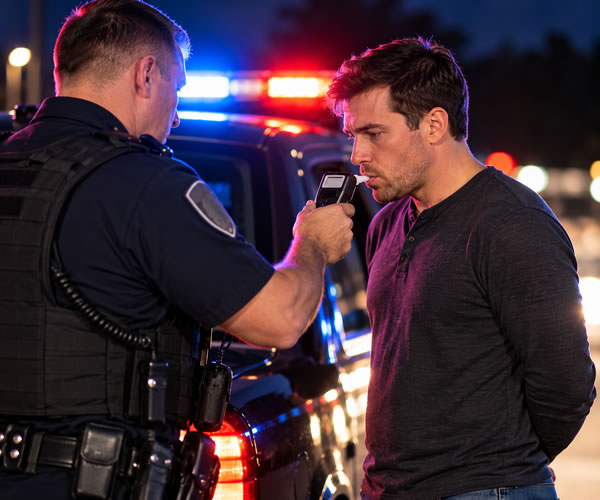
A DWI arrest involves a different legal question from the initial traffic stop. The circumstances known to the officer at the time of the arrest can be important when determining whether there was a lawful basis to take the driver into custody.
Laura can review police reports, available video, officer observations, sobriety testing, chemical-test evidence and other information connected with the arrest. The goal is to understand how the State’s case was developed and identify legal or factual issues that may affect the defense.
North Carolina appellate decisions specifically address probable cause in DWI arrests, underscoring why this analysis depends on the facts of the particular case.
After a DWI arrest, a person may face both a criminal court case and issues involving driving privileges. These are related, but they do not always follow exactly the same process.
The court case concerns the criminal DWI charge and the evidence supporting it. Driver’s-license consequences can arise separately depending on the circumstances, including chemical testing and the status of the case.
Because the next steps depend on the individual situation, it is important to understand which deadlines, court dates and license issues apply to your case.
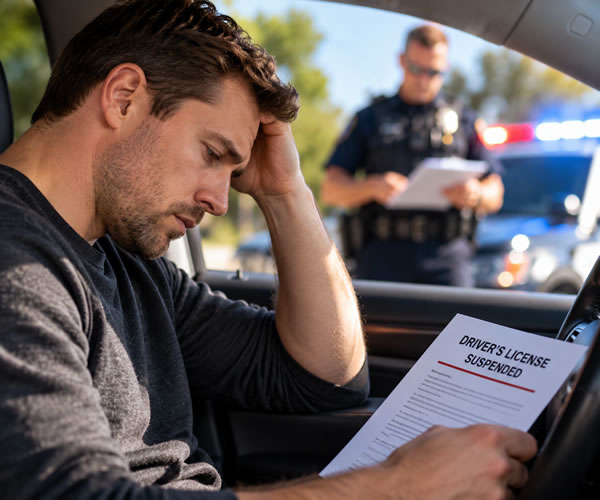
For many people arrested for DWI, one of the first concerns is whether they will be able to drive. North Carolina law provides for license revocations in various circumstances connected with impaired-driving cases, including certain testing situations.
Depending on the reason for the revocation and the individual circumstances, a person may be eligible to seek a limited driving privilege. A limited privilege can permit driving for specified purposes subject to the restrictions imposed by the court, but eligibility and requirements vary by situation.

No two DWI arrests involve exactly the same facts. The reason for the traffic stop, interaction with law enforcement, testing procedures and evidence can differ significantly from one case to another.
Laura provides personal representation focused on understanding those details. She works directly with clients, explains the court process and evaluates the evidence and legal issues involved in the charge.
If you have been arrested for DWI in Cabarrus County, having your individual circumstances reviewed can help you better understand the allegations and the options available as the case moves forward.
No. An arrest is not the same as a conviction. The State must pursue the charge through the legal process, and the evidence and circumstances of the individual case can be reviewed.
The circumstances surrounding the stop can be reviewed to determine whether there are legal issues that may be raised. Whether a particular stop can successfully be challenged depends on the facts and applicable law.
Depending on what exists in the particular case, the review may include police reports, video, officer observations, sobriety testing, chemical-test evidence and other relevant information.
License consequences depend on the circumstances of the arrest and testing. North Carolina recognizes several forms of impaired-driving-related revocation, and the requirements for obtaining a limited driving privilege depend on the particular situation.
Some drivers may qualify for a limited driving privilege, but eligibility and restrictions depend on the reason for the revocation and the individual circumstances. A court-issued privilege may allow driving for limited purposes under specified conditions.
Laura represents clients facing DWI and other criminal and traffic matters in Cabarrus County, including cases arising in Concord.
If you have been arrested for DWI in Concord or elsewhere in Cabarrus County, understanding what happens next can make the legal process easier to navigate. A DWI case can involve court proceedings, evidence from the traffic stop and arrest, and separate concerns involving your driving privileges.
Attorney Laura M. Baker provides personal criminal defense representation for individuals facing DWI charges in Cabarrus County. She works directly with clients to review the circumstances of the arrest, explain the process and develop a defense strategy based on the facts of the individual case.