Traffic Offenses
Defense for serious traffic charges and other driving-related offenses.
Learn More


A drug trafficking charge is one of the more serious drug offenses a person can face in North Carolina. These cases can involve substantial prison sentences and fines, making it important to carefully examine how the investigation began and how the evidence was obtained.
North Carolina law allows trafficking charges to be based on the type and quantity of the controlled substance involved. Depending on the substance, a person may face a trafficking charge based on possession of a qualifying amount—not only an allegation that drugs were actually sold or transported.
Attorney Laura M. Baker represents clients facing serious drug charges in Concord and throughout Cabarrus County. Every case is different, and the evidence surrounding the alleged drugs, their weight, possession, searches and statements should be carefully reviewed.
Drug trafficking does not necessarily mean that someone was accused of operating a large drug distribution organization. Under North Carolina General Statute §90-95(h), trafficking offenses can arise from selling, manufacturing, delivering, transporting or possessing specified quantities of certain controlled substances.
The amount required to trigger a trafficking charge depends on the particular substance. For example, the statute establishes different thresholds for cocaine, methamphetamine, opioids, fentanyl, marijuana, amphetamine and other controlled substances. The applicable felony classification and sentencing provisions can also increase as the alleged quantity increases.
That makes determining exactly what substance was seized, how it was tested and how its quantity was calculated an important part of reviewing a trafficking case.
The prosecution must establish the elements of the particular trafficking offense charged. Questions can arise concerning who possessed the drugs, where they were found and what the accused person knew about them.
Trafficking thresholds vary by controlled substance. Laboratory identification, weight and the composition of an alleged mixture may therefore become important evidence.
Trafficking investigations may involve traffic stops, searches of homes or vehicles, search warrants and seizures of phones or other property. The circumstances surrounding how evidence was obtained should be reviewed.
Statements, text messages, surveillance, witness testimony, financial records and other evidence may be used by prosecutors. Each piece of evidence should be considered in the context of the entire case.
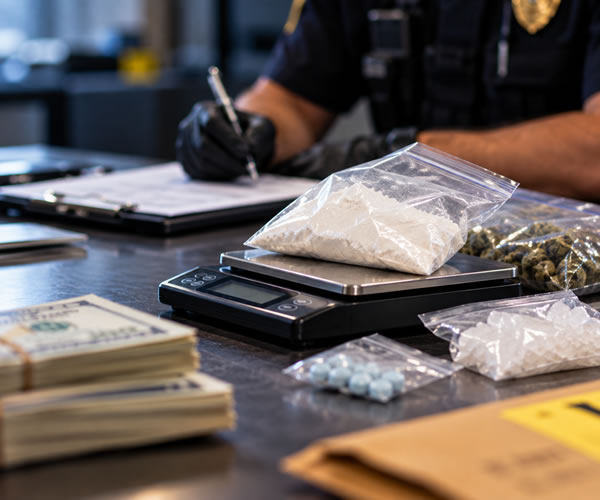
The quantity alleged by prosecutors can significantly affect a North Carolina trafficking case. The law establishes substance-specific thresholds rather than one universal amount for every controlled substance.
For example, current North Carolina law sets the initial cocaine-trafficking threshold at 28 grams, while trafficking involving an opium, opiate or opioid can begin at 4 grams. Fentanyl and carfentanil have their own trafficking provisions beginning at 4 grams.
Because these distinctions can substantially affect the charge and potential sentence, the identity and measured quantity of the substance are important parts of the evidence to examine.
North Carolina's trafficking statute establishes felony classifications, prison terms and significant fines according to the substance and quantity involved. The consequences can become substantially more severe at higher quantity levels.
For example, trafficking 28 to less than 200 grams of cocaine is currently classified as a Class G felony with a statutory sentence of 35 to 51 months and a fine of at least $50,000. Trafficking 28 to less than 200 grams of methamphetamine is classified as a Class F felony with a statutory sentence of 70 to 93 months and a fine of at least $50,000. Other substances have different classifications and sentencing ranges.
Because the penalties are highly dependent on the particular charge, substance and quantity, the potential consequences should be evaluated using the specific facts of the case.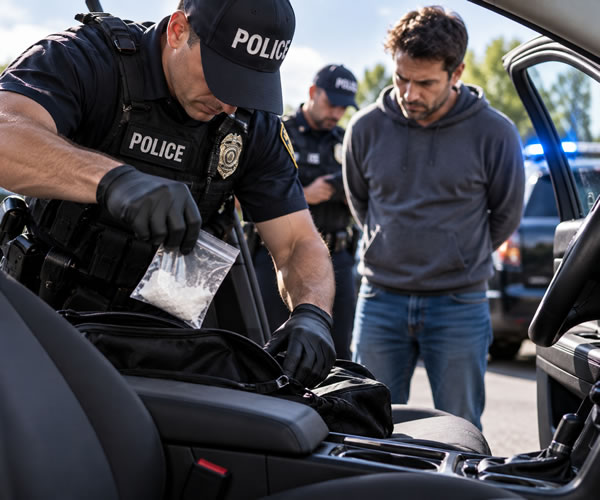
A drug trafficking defense involves more than looking at the alleged drugs. It can also require examining how law enforcement identified the defendant, conducted the investigation and obtained the evidence prosecutors intend to use.
A case may involve a traffic stop, vehicle search, search warrant, home search, surveillance, confidential informant, phone evidence or statements made during the investigation.
The circumstances surrounding these events can matter. A defense attorney can review the evidence and determine whether there are legal or factual issues that should be raised as part of the defense.

A drug trafficking accusation can place a person's freedom, family and future at risk. Serious charges deserve careful attention to the details rather than a one-size-fits-all defense.
Attorney Laura M. Baker works directly with her clients to understand what happened, review the prosecution's evidence and identify the issues that may affect the case.
From the circumstances of a search to the alleged drug quantity and evidence of possession, the defense strategy should be based on the facts of the individual case.
Yes. North Carolina's trafficking statute covers certain qualifying quantities that are sold, manufactured, delivered, transported or possessed. Actual sale is therefore not required for every trafficking charge.
There is no single trafficking threshold. The required quantity depends on the controlled substance involved.
Yes. The trafficking offenses established by G.S. §90-95(h) are felony offenses, with classifications and sentencing provisions varying according to the substance and quantity.
Potentially. A trafficking charge may involve possession or transportation of a qualifying quantity, but whether the prosecution can establish the necessary elements depends on the facts and evidence in the particular case.
The circumstances surrounding a search can be reviewed to determine whether there is a legal basis for challenging evidence obtained during the investigation.
Because trafficking allegations can carry substantial consequences, speaking with a criminal defense attorney promptly can help you understand the charge, the evidence and the legal issues that may affect your case.
Attorney Laura M. Baker represents individuals facing drug trafficking and other serious drug charges in Concord and throughout Cabarrus County, North Carolina.
Drug investigations can develop from traffic stops, vehicle searches, search warrants, investigations involving homes or other property, and other law-enforcement activity. Whatever circumstances led to the charge, the specific evidence should be carefully examined before determining how to approach the defense.
If you have been arrested, charged or are under investigation for drug trafficking in Cabarrus County, obtaining legal advice early can help you understand the allegations and your options.